
Boca Raton Asset Transfer Lawyers
When a loved one passes away, transferring their assets to the right people is one of the most important steps in closing their estate. Whether the estate includes a waterfront condo near the Intracoastal, a family home in one of Boca Raton’s many gated communities, bank accounts, or investment portfolios, getting those assets into the hands of beneficiaries requires a legal process that must be done correctly under Florida law. As Boca Raton asset transfer lawyers, we help families move through the probate and estate administration process so that property, finances, and other assets are distributed according to the law and your loved one’s wishes.
The longer asset transfers sit unresolved, the more vulnerable the estate becomes to unnecessary costs, disputes among heirs, and assets losing value while they wait in limbo. Contact Florida Probate Law Firm today for a free initial consultation. Our attorneys will review your situation, walk you through the transfer process, and help you take the first concrete steps toward getting your family’s inheritance where it belongs.
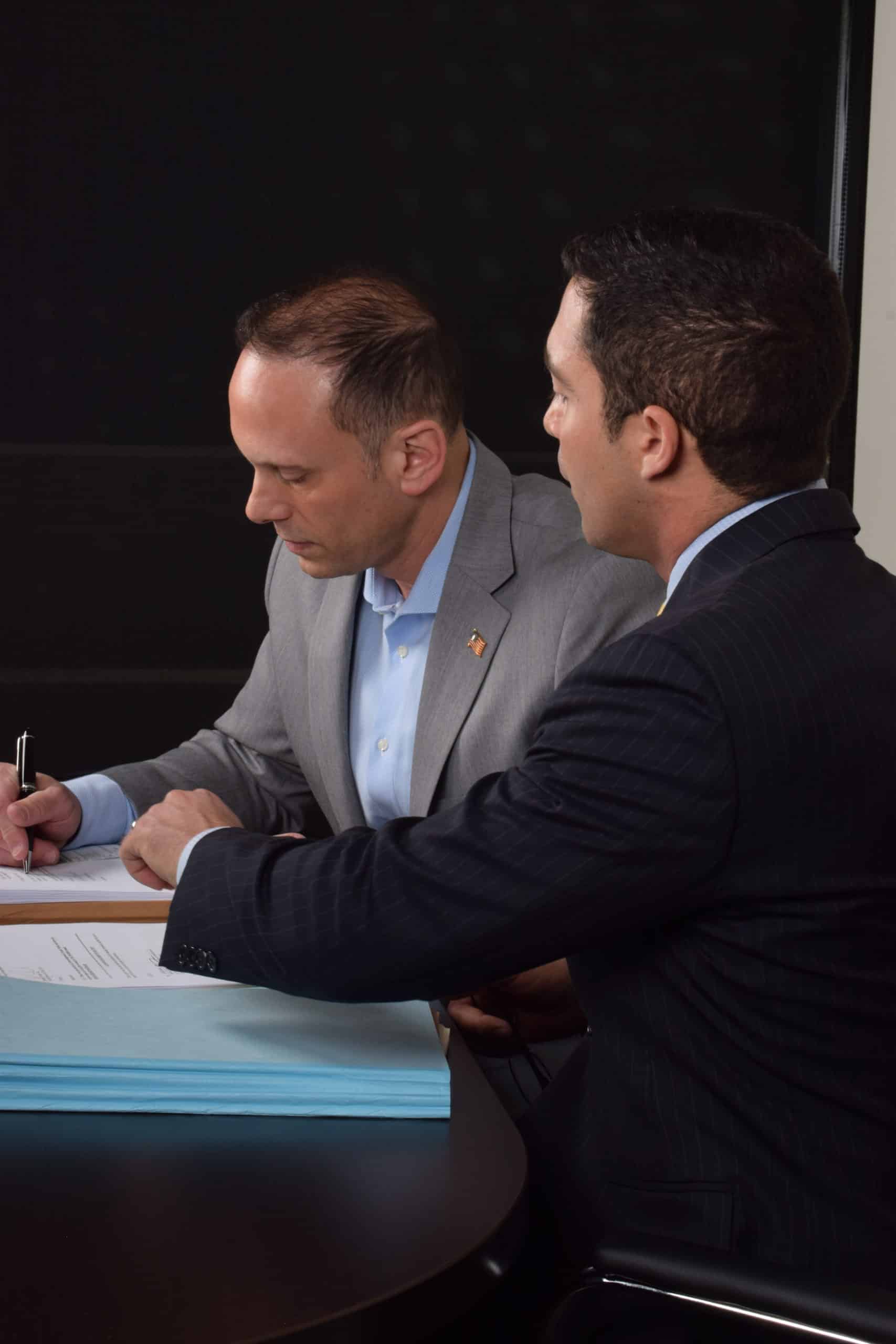
Why Choose Florida Probate Law Firm for Your Boca Raton Asset Transfer?
When you work with our Boca Raton Asset Transfer Lawyers, you receive direct, personal attention from Florida probate attorneys Thomas R. Walser and Michael Bracchi. You will not be handed off to junior staff or left wondering about the status of your case.
- We work on fast timelines. We use the latest technology and software to push your case forward as quickly as your family is ready to move. Pleadings can be prepared in as little as 24 to 48 hours.
- Everything is handled electronically. There is no need to visit our office or attend court hearings for a standard probate administration. We handle all filings, signatures, and communication remotely.
- No large deposit required. We are confident in our ability to gain access to an estate and are typically paid from estate proceeds, meaning you only need a minimal deposit to get started.
- Immediate response time. We respect your time and offer no-cost consultations with our attorneys right away, not days or weeks from now.
Whether you are located in Boca Raton, Fort Lauderdale, or anywhere else in the state, we serve families throughout all of Florida with the same level of care and attention. Your loved one’s assets shouldn’t sit frozen while your family waits for answers.
Call us today or schedule your free consultation online. You’ll speak directly with attorneys Walser and Bracchi, and most families hear back from us the same day they reach out.

What Does "Asset Transfer" Mean in Florida Probate?
Asset transfer is the legal process of moving ownership of a deceased person’s property to their rightful beneficiaries or heirs. Under Florida Statutes Chapters 731 through 735, the probate process governs how estates are administered, how creditors are notified and paid, and how the remaining assets are ultimately distributed.
Not every asset goes through probate. Some pass automatically to a new owner based on how they are titled or whether a beneficiary is named. But assets that are owned solely by the person who passed away, with no co-owner, beneficiary designation, or trust, generally require probate before they can be transferred.
The distinction between probate and non-probate assets is one of the first things our asset transfer attorneys help families understand. Getting this right early on can save significant time and stress.
Common Types of Assets That Require Probate in Boca Raton
Boca Raton is home to a wide variety of valuable properties. From single-family homes in neighborhoods like Camino Gardens and Royal Palm Yacht and Country Club to high-rise condominiums along the coast, real estate is often the most significant asset in a Florida estate. Here are common assets that typically require probate to transfer:
- Real estate titled solely in the decedent’s name, including homes, condos, and vacant land
- Bank accounts that do not have a payable-on-death (POD) designation or joint owner
- Investment and brokerage accounts without a transfer-on-death (TOD) beneficiary
- Vehicles, boats, and RVs titled only in the decedent’s name
- Personal property such as jewelry, artwork, collectibles, and furniture
- Business interests including ownership stakes in partnerships or closely held companies
If any of these assets are part of the estate you are managing, probate administration will likely be necessary to complete the transfer.
Assets That Typically Bypass Probate
Not everything in an estate needs to go through the court process. Certain assets transfer automatically based on their ownership structure or beneficiary designations. These commonly include:
- Life insurance policies with a named beneficiary
- Retirement accounts such as IRAs and 401(k)s with designated beneficiaries
- Bank accounts set up as payable-on-death (POD) or jointly owned with rights of survivorship
- Property held as tenancy by the entirety between married spouses, which passes automatically to the surviving spouse
- Assets held in a properly funded trust
Understanding which assets fall into each category is a critical first step. We review the full picture with every family we work with so there are no surprises during the process.
How the Probate Asset Transfer Process Works in Florida
Florida law provides two main pathways for estate administration, and the one that applies to your situation depends on the estate’s value and other factors.
Summary Administration
This is a faster, more streamlined option available when the total value of the estate subject to administration is between $75,000 to $150,000, or when the person has been deceased for more than two years.
Summary administration does not require the appointment of a personal representative. Instead, the court issues an order of distribution, and assets can be transferred to beneficiaries relatively quickly.
Formal Administration
For estates valued at more than $75,000, formal administration is the standard process. It involves several key steps:
-
- Appointing a personal representative. This is the person responsible for managing the estate. Florida law requires the personal representative to be either a Florida resident or a close relative of the deceased, as outlined in Florida Statutes Section 733.303.
- Identifying and inventorying assets. The personal representative must locate all estate assets and provide the court with a detailed accounting.
- Notifying creditors. Florida law requires a Notice to Creditors to be published in a local newspaper and for known creditors to receive direct notice. Creditors then have a limited window to file claims against the estate.
- Paying valid debts and expenses. Estate funds are used to settle outstanding debts, taxes, and the costs of administering the estate.
- Distributing remaining assets. Once all obligations are met, the personal representative distributes the remaining assets to beneficiaries according to the will, or according to Florida’s intestacy laws if there is no will.
Each of these steps involves strict legal requirements and deadlines. Missing a deadline can delay the entire process or even expose the personal representative to personal liability.
What Happens When There Is No Will?
When someone passes away without a valid will, Florida’s intestacy laws determine who receives the estate assets. Generally speaking:
- If the deceased was married with no children, the surviving spouse receives the entire estate.
- If the deceased had a spouse and children, the distribution depends on whether the children are also the children of the surviving spouse.
- If there is no surviving spouse, children typically inherit the estate equally.
- If there are no close relatives, the court looks to more distant family members under Florida’s rules of succession.
The intestacy process can become complicated, particularly in blended families or when there are disputes about who qualifies as an heir. Having a probate attorney involved from the beginning helps protect everyone’s rights and keeps the process moving.
The Role of a Personal Representative in Asset Transfers
The personal representative plays a central role in the asset transfer process. This person is responsible for managing every aspect of the estate, from the initial court filings to the final distribution of property. Their duties include:
- Filing the will with the court and petitioning to open probate
- Taking control of estate assets and keeping them safe
- Providing required notices to beneficiaries and creditors
- Filing tax returns for the estate
- Preparing a final accounting for court approval
- Distributing assets to the proper beneficiaries
Being named as a personal representative is a serious responsibility. Our asset transfer lawyers in Boca Raton guide personal representatives through every step, making sure they understand their obligations and helping them avoid costly mistakes.
Why Boca Raton Estates Can Be Especially Complex
Boca Raton is one of the most affluent communities in Palm Beach County, and estates here often reflect that. Properties in communities like Boca West, Broken Sound, and the Royal Palm Yacht and Country Club can be valued in the millions. Many residents also own additional real estate in other states or countries, hold complex investment portfolios, or have interests in private businesses.
These factors can add layers of complexity to the asset transfer process. For example:
- Out-of-state property may require a separate ancillary probate proceeding in the state where the property is located, as outlined in Chapter 734 of the Florida Statutes.
- Homestead property in Florida has unique protections and may pass outside of the standard probate process, but a court order is still often needed to clear the title.
- Multiple beneficiaries with competing interests can create disagreements about how assets should be divided.
Our lawyers have experience handling estates of all sizes and levels of complexity. Our goal is always to complete the process as efficiently as possible while protecting the interests of the beneficiaries.
How Estate Planning Can Simplify Future Asset Transfers
While much of our work involves helping families after a loss, we also help individuals plan ahead to make future asset transfers smoother for their loved ones. Common estate planning strategies that can reduce or eliminate the need for probate include:
- Creating a revocable living trust and transferring assets into the trust during your lifetime
- Adding beneficiary designations to bank accounts, investment accounts, and retirement accounts
- Titling property with rights of survivorship so it passes automatically to the surviving owner
- Using payable-on-death or transfer-on-death designations on financial accounts
A well-designed estate plan can save your family significant time, money, and stress. It also allows you to maintain control over how your assets are distributed. If you live in Boca Raton or anywhere in Florida and want to start planning, we are happy to discuss your options.
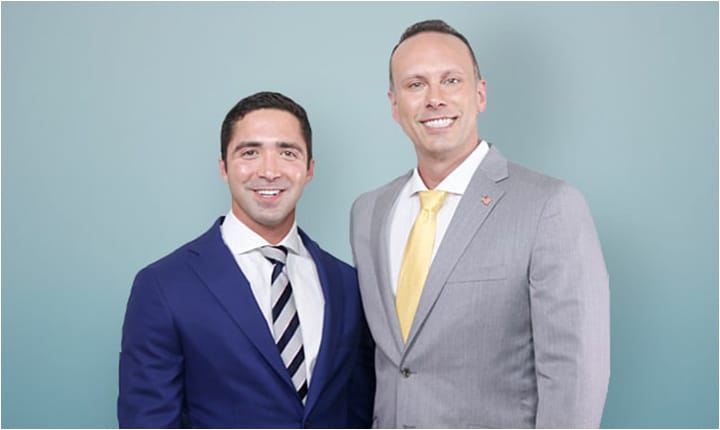
Contact Our Boca Raton Asset Transfer Lawyers Today
Losing a loved one is difficult enough without the added stress of figuring out how to transfer their assets. At Florida Probate Law Firm, we take the legal burden off your shoulders so you can focus on what matters most: your family.
Whether you need help with probate administration for an existing estate or want to plan ahead with a solid estate plan, our attorneys Thomas R. Walser and Michael Bracchi are here to help. We serve families in Boca Raton, Fort Lauderdale, and throughout all of Florida, and everything can be handled remotely for your convenience.
Schedule your free initial consultation today. Call us or reach out online, and we will take the time to understand your situation, answer your questions, and explain exactly what to expect moving forward.
FAQs Answered by Our Boca Raton Asset Transfer Lawyers
The timeline depends on whether the estate qualifies for summary or formal administration. Summary administration can sometimes be completed in a matter of weeks. Formal administration typically takes several months to a year or more, depending on the complexity of the estate and whether any disputes arise.
In most cases, real estate titled solely in the deceased person’s name requires probate to transfer ownership. However, if the property was held jointly with rights of survivorship, in a trust, or qualifies as homestead property passing to a surviving spouse or minor child, it may transfer outside of probate. A court order may still be needed to clear the title.
A beneficiary does not need to live in Florida to receive assets from a Florida estate. The probate process is handled in the Florida court where the deceased resided, and distributions can be made to beneficiaries regardless of their location.
Florida law requires that a formal probate administration be handled by a Florida-licensed attorney. Even for summary administration, having legal representation helps make sure all filings are correct and deadlines are met, which can prevent costly delays.
In Florida, the person responsible for managing a deceased person’s estate is called a personal representative. Other states use the term “executor,” but the role and responsibilities are essentially the same. The personal representative is appointed by the court and must follow all duties outlined in Florida law.
Yes. Florida law requires that creditors be notified and given an opportunity to file claims against the estate. Valid debts must be paid from estate funds before any remaining assets are distributed to beneficiaries. The claims period is limited, and there are strict rules about how and when creditors must file.
Disagreements among family members are not uncommon, especially in larger estates or blended families. When a valid will exists, the terms of the will generally control distribution. When there is no will, Florida’s intestacy statutes apply. If a dispute cannot be resolved informally, the court may need to intervene.