
Boca Raton Beneficiary Designation Dispute Lawyers
When a loved one passes away, and the named beneficiaries on their accounts don’t match what the family expected, it can create real confusion and heartache. Beneficiary designation disputes are more common than most people realize, and they can affect life insurance policies, retirement accounts, bank accounts, and more. At Florida Probate Law Firm, our Boca Raton beneficiary designation dispute lawyers help families across Florida work through these difficult situations with clarity, compassion, and a focus on getting assets distributed properly and efficiently.
Whether a beneficiary designation was never updated after a divorce, a new form was signed under questionable circumstances, or the named beneficiary conflicts with what a will or trust says, these disputes require careful attention from attorneys who understand Florida probate and estate law inside and out.
If you’re facing a beneficiary dispute, don’t wait—contact Florida Probate Law Firm today for a consultation and let our experienced team fight to protect your family’s rights.

Why Choose Florida Probate Law Firm for Your Boca Raton Beneficiary Designation Dispute?
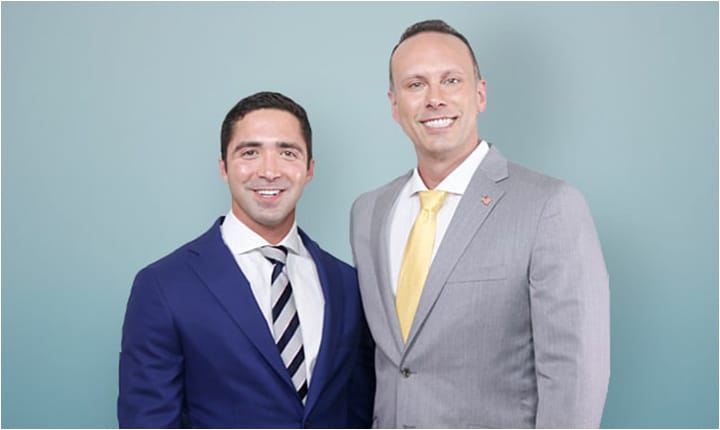
When you work with our firm, you get direct, personal attention from Florida probate attorneys Thomas R. Walser and Michael Bracchi. You won’t be handed off to junior staff or left wondering about the status of your case. Here’s what sets us apart:
- Immediate response time. We offer free, no-cost consultations so you can get answers right away without any financial pressure.
- Minimal deposit to get started. We’re confident in our ability to gain access to an estate, and in many cases, we’re paid from the estate’s proceeds.
- Fully electronic and remote process. Everything from document signing to court filings is handled electronically, so there’s no need to travel to an office or attend hearings for a standard probate matter.
- Fast turnaround. We prepare pleadings in as little as 24 to 48 hours and move cases forward as quickly as the family is ready.
- Years of focused experience. Our attorneys bring deep knowledge of Florida probate law, with educational backgrounds from institutions like NYU School of Law and St. John’s University School of Law.
We know this is a stressful time, and our goal is to make the process as smooth and understandable as possible so your family can move forward with confidence.
What Is a Beneficiary Designation Dispute?
A beneficiary designation is the form you fill out when you open certain financial accounts, naming the person or people who should receive those funds when you pass away. These designations apply to accounts like:
- Life insurance policies
- 401(k) and IRA retirement accounts
- Annuities
- Payable-on-death (POD) bank accounts
- Transfer-on-death (TOD) investment accounts
A beneficiary designation dispute arises when there is a disagreement about who should rightfully receive the assets in one of these accounts. This can happen for many reasons, and the emotional stakes are often just as high as the financial ones.
It’s important to understand that under Florida law, beneficiary designations on these types of accounts generally take priority over what a will or trust says. This means that even if a will states that “everything goes to my children equally,” a life insurance policy naming an ex-spouse as beneficiary will typically pay out to that ex-spouse. This surprises many families and is one of the most common sources of these disputes.
Common Causes of Beneficiary Designation Disputes in Florida
There are several situations that can lead to a dispute over beneficiary designations. Understanding these common scenarios can help you recognize when your family may need legal guidance.
Outdated Designations After Major Life Changes
One of the most frequent issues involves designations that were never updated after a major life event. Someone may have named a spouse as their beneficiary years ago, then gone through a divorce, but never changed the form.
Under Florida Statute § 732.703, certain beneficiary designations naming a former spouse are automatically voided upon divorce for many types of accounts. However, this statute does not apply to every account type, and federal law (called ERISA) may override state law for employer-sponsored retirement plans.
Other life changes that often lead to outdated designations include:
- Remarriage after the death of a first spouse
- The birth or adoption of new children or grandchildren
- Estrangement from a previously named beneficiary
Each of these situations can create a gap between what the deceased person likely intended and what the beneficiary form actually says.
Allegations of Undue Influence or Lack of Capacity
Sometimes, a family member believes that a beneficiary designation was changed because someone pressured or manipulated the account holder. This is known as undue influence, which means that the person who changed the form was not acting freely but was being coerced or manipulated by someone else.
Similarly, there may be concerns about whether the account holder had the mental capacity to understand what they were signing when the designation was changed. This can come up when:
- The account holder was elderly and experiencing cognitive decline
- A designation change happened shortly before the person passed away
- A new or unexpected individual was suddenly named as the sole beneficiary
These situations are emotionally charged, but they are taken seriously under Florida law.
Conflicting Documents
Another common source of disputes is when the beneficiary designation says one thing and the person’s will, trust, or other estate planning documents say something different. As mentioned earlier, beneficiary designations generally control over a will. But this can create confusion, especially when the deceased person clearly expressed different wishes in their estate plan.
In some cases, an argument can be made that the designation should not be honored due to a mistake, fraud, or a prior legal agreement (like a divorce settlement that required a change in beneficiary).
How Beneficiary Designations Interact with Florida Probate
One detail that surprises many families is that assets with valid beneficiary designations typically do not go through probate at all. They pass directly to the named beneficiary outside of the probate estate. This is by design and is one of the reasons estate planners encourage clients to keep their designations current.
However, there are situations where a beneficiary designation may pull assets into the probate process:
- The named beneficiary has already passed away and no contingent (backup) beneficiary was listed
- The designation names “my estate” as the beneficiary, which routes the funds through probate
- The designation is found to be invalid due to fraud, undue influence, or lack of capacity
When assets do end up in probate because of a beneficiary designation issue, the process can become more complex. Our team of beneficiary dispute attorneys at Florida Probate Law Firm handles these cases from the initial filings through the final distribution, making sure the process stays on track.
Understanding the distinction between probate assets and non-probate assets is essential in these situations, and it’s something we explain clearly during every consultation.
Florida Laws That Apply to Beneficiary Designation Disputes
Several Florida statutes and legal principles come into play during a beneficiary designation dispute. Here are some of the key ones:
- Florida Statute § 732.703 addresses the effect of divorce on certain beneficiary designations, automatically revoking designations that name a former spouse in many cases.
- Florida Statute § 732.5165 defines the standard for testamentary capacity, which courts often reference when evaluating whether someone had the mental ability to make or change a beneficiary designation.
- ERISA (Employee Retirement Income Security Act) is a federal law that governs most employer-sponsored retirement plans. When ERISA applies, it can override Florida state law regarding beneficiary designations, which is why these cases require careful legal analysis.
These intersecting laws make beneficiary designation disputes more nuanced than many families initially expect. Having attorneys who understand how state and federal rules work together is critical.
What to Do If You’re Facing a Beneficiary Designation Dispute
If you believe there is a problem with a beneficiary designation on a loved one’s account, taking the right steps early can make a significant difference. Here’s a general overview of the process:
- Gather key documents. Collect copies of the beneficiary designation form (if available), the deceased person’s will and trust, any divorce decrees, and correspondence related to the account.
- Contact the financial institution. Notify the insurance company, bank, or retirement plan administrator that there is a dispute. In many cases, the institution will hold the funds until the matter is resolved.
- Consult with a probate attorney. An attorney experienced in Florida probate and estate law can review the situation, explain your legal options, and help determine the strongest path forward.
- Act promptly. There may be deadlines or time-sensitive requirements that affect your ability to challenge a designation.
Taking these steps doesn’t mean you’re starting a fight with your family. It simply means you’re protecting your rights and making sure the process is handled properly.
How Our Firm Helps Boca Raton Families with Beneficiary Disputes
At Florida Probate Law Firm, we understand that beneficiary designation disputes often happen during an already emotional time. Families in Boca Raton and throughout Palm Beach County trust us to handle these matters with care and professionalism.
Our approach is straightforward:
- We start with a free consultation where we listen to your situation, review the relevant documents, and explain what Florida law says about your case.
- We handle all paperwork and filings electronically, so you don’t need to visit an office or take time off work. Whether you’re in Boca Raton near Mizner Park, up in Fort Lauderdale, or anywhere else in the state, we can serve you remotely.
- We communicate clearly and keep you informed at every step. You’ll always know where your case stands and what comes next.
- We prepare and file all necessary court documents quickly, often within 24 to 48 hours.
Our attorneys have the educational background and practical experience to handle the complexities of these cases, whether the dispute involves a simple life insurance policy or a multi-layered situation involving ERISA-governed retirement accounts and conflicting estate documents.
The Importance of Updating Your Beneficiary Designations
While much of this page focuses on disputes that arise after a loved one passes away, it’s worth noting that many of these problems are preventable. Regularly reviewing and updating your beneficiary designations is one of the most important things you can do to protect your family.
Consider reviewing your designations after any of these life events:
- Marriage or divorce
- Birth or adoption of a child
- Death of a previously named beneficiary
- A significant change in your financial situation
- Creation or update of your will or trust
A quick review with an estate planning attorney can help make sure your designations align with your overall wishes. This small step can save your loved ones from a great deal of stress and confusion down the road.
Contact Our Boca Raton Beneficiary Designation Dispute Lawyer Today
If your family is dealing with a beneficiary designation dispute in Boca Raton or anywhere in Florida, we’re here to help. Schedule your free consultation with attorneys Thomas R. Walser and Michael Bracchi today. We’ll review your situation, explain your options in plain language, and help you understand the best path forward for your family.
Call us now or reach out through our website to get started. Every case begins with a simple conversation, and we’re ready to listen.
FAQs Answered by Our Boca Raton Beneficiary Designation Dispute Lawyers
In most cases, no. Beneficiary designations on accounts like life insurance policies and retirement plans generally take priority over what a will says. The funds in those accounts pass directly to the named beneficiary, regardless of the will’s instructions.
Yes, Florida law does allow challenges to beneficiary designations based on undue influence, fraud, or lack of mental capacity. These cases require evidence that the account holder was pressured or did not understand the change they were making.
The timeline depends on the specific circumstances and the type of account involved. Some financial institutions will only hold funds for a limited period once a claim is filed. Speaking with a probate attorney as soon as possible helps protect your rights and avoid missing critical deadlines.
If the primary beneficiary has died and no contingent beneficiary was listed, the account proceeds typically become part of the deceased person’s probate estate. From there, distribution is determined according to the will or, if there is no will, Florida’s intestacy laws.
Yes. Employer-sponsored retirement plans like 401(k)s are governed by federal ERISA law, which can override Florida state statutes. For example, ERISA requires that a spouse be the default beneficiary of a 401(k) unless they have signed a written waiver. This federal layer adds complexity that requires careful legal analysis.
A prenuptial or postnuptial agreement may include provisions about beneficiary designations, but enforcing those provisions against a financial institution can be complicated. Courts generally look at the designation on file with the institution, so any agreements need to be backed up by actually updating the forms.