
Boca Raton Creditor Claims Lawyers
Your loved one worked hard to build something for their family. Our Boca Raton creditor claims lawyers are here to make sure that as much of that legacy as possible reaches the people it was meant for.
During probate, creditors have the right to file claims against the estate for money they believe they are owed. Some claims are legitimate, but others may be expired, duplicated, or simply wrong. The personal representative (the person appointed to manage the estate) is responsible for reviewing every single one, and mistakes in this process can lead to personal liability or reduced inheritances for beneficiaries.
At Florida Probate Law Firm, we help families handle creditor claims the right way, protecting both the personal representative and the estate’s bottom line. Every day a questionable claim goes unchallenged, it gets closer to being paid out of your family’s inheritance.
Contact our Boca Raton creditor claims lawyers today for a free consultation and let us fight to keep more of your loved one’s legacy where it belongs.
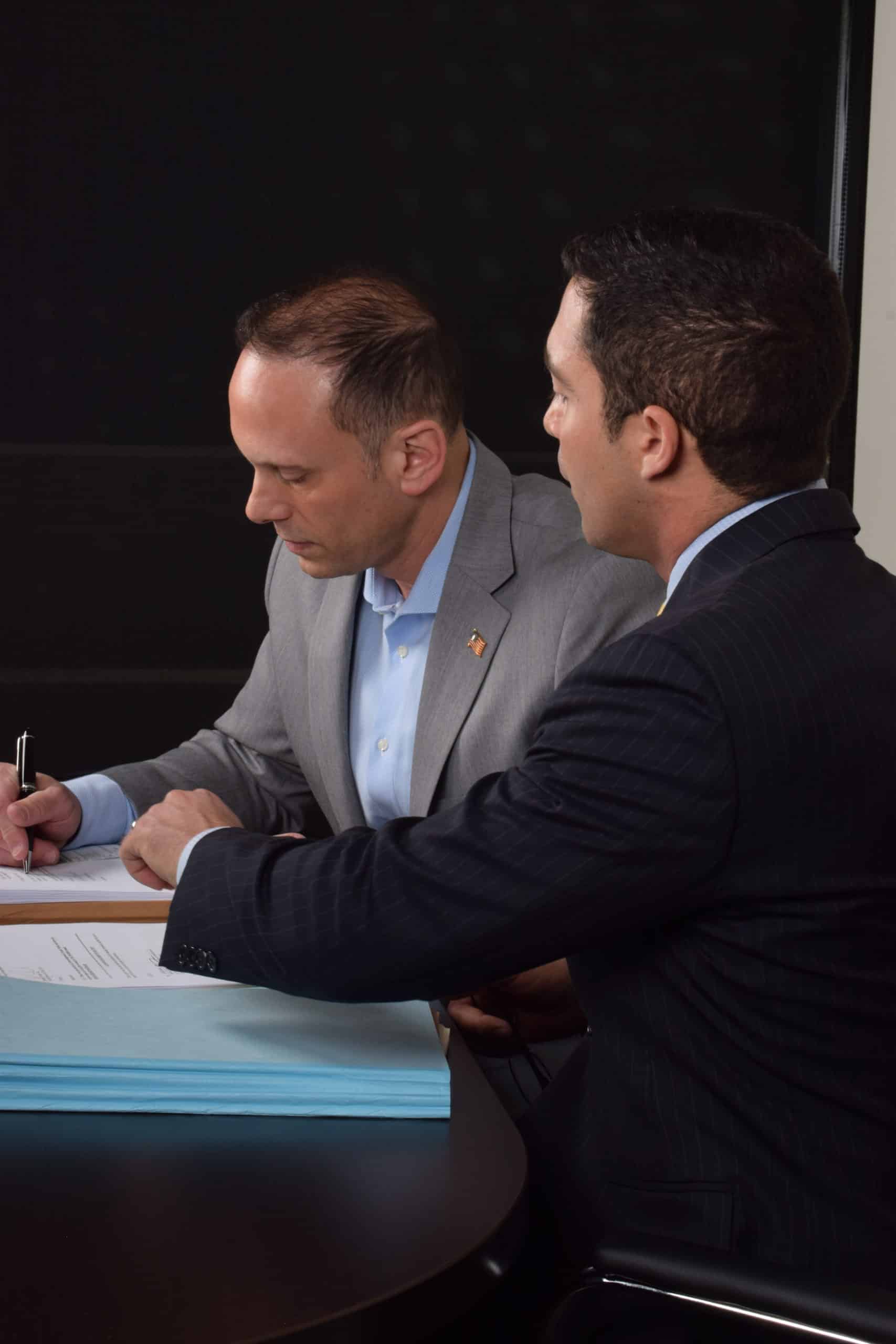
Why Choose Florida Probate Law Firm for Your Florida Creditor Claim?
When you work with our firm, you get direct, personal attention from attorneys Thomas R. Walser and Michael Bracchi. You will never be handed off to junior staff or left wondering what is happening with your case. We understand that dealing with creditor claims during probate can feel stressful and confusing, and we are here to walk you through every step.
- Immediate consultations. We offer free, no-cost initial consultations so you can get answers right away.
- Minimal upfront costs. We do not require a large deposit to get started. In many cases, we are paid from the proceeds of the estate.
- Fast turnaround. Our team prepares pleadings in as little as 24 to 48 hours, so your case keeps moving forward.
- Completely remote process. Everything is handled electronically, from document signing to court filings. There is no need to visit an office or attend hearings for a standard probate administration.
- Statewide service. While we are based in South Florida and serve Boca Raton, Fort Lauderdale, and the surrounding communities, we handle probate cases throughout the entire state of Florida.
We use the latest technology and software to push your case forward as fast as your family is ready to move. From the first filing to the final distribution of assets, our goal is to make the creditor claims process as smooth and straightforward as possible.

What Are Creditor Claims in Florida Probate?
A creditor claim is a formal request made by someone who believes the deceased person owed them money. These claims can come from credit card companies, hospitals, mortgage lenders, utility providers, or even individuals who loaned money to the person who passed away.
Under Florida law, the personal representative of the estate has a legal duty to notify creditors about the probate proceeding and give them a chance to submit their claims. This is not optional. Florida Statute § 733.2121 requires the personal representative to:
- Publish a formal Notice to Creditors in a local newspaper for two consecutive weeks
- Conduct a careful search to identify any creditors whose names and addresses can be reasonably found
- Directly serve a copy of the notice on each known or reasonably identifiable creditor
This process protects the estate by starting the clock on important deadlines. Creditors who miss those deadlines can be permanently barred from collecting on their claims, which helps preserve more of the estate for your family.
Important Deadlines for Creditor Claims in Boca Raton Estates
Timing is everything when it comes to creditor claims in Florida probate. There are strict deadlines that both creditors and personal representatives need to be aware of. Understanding these deadlines can save your family time, money, and a great deal of stress.
- 3 months from first publication. Unknown creditors (those who learn about the estate only through the published newspaper notice) generally must file their claims within three months of the date the Notice to Creditors is first published.
- 30 days from direct service. Known or reasonably identifiable creditors who receive a direct copy of the notice must file within the later of three months from publication or 30 days from the date they were personally served.
- 2-year absolute bar. Under Florida Statute § 733.710, no creditor may file a valid claim against the estate more than two years after the date of death. This is a hard cutoff that applies regardless of the circumstances.
These deadlines matter for personal representatives, too. If the personal representative fails to properly notify a known creditor, that creditor’s filing deadline may never start running, potentially leaving the estate exposed to claims for up to two years. Working with a creditor claims attorney in Boca Raton helps make sure every notice is sent correctly, and every deadline is tracked.
How the Creditor Claims Process Works in Florida
The creditor claims process follows a clear set of steps under Florida’s Probate Code. Here is a simplified overview of what to expect.
- Step 1: Publish the Notice to Creditors. The personal representative publishes the required notice in a qualifying local newspaper. In Palm Beach County, this would be a newspaper of general circulation serving the Boca Raton area.
- Step 2: Search for and notify known creditors. The personal representative conducts a diligent search for anyone who may have been owed money by the deceased. This can include reviewing bank statements, mail, medical bills, and loan documents. Each identifiable creditor receives a direct copy of the notice.
- Step 3: Creditors file their claims. Creditors submit formal written statements to the court, listing the basis and amount of their claim.
- Step 4: Review and evaluate each claim. The personal representative reviews each claim to determine whether it is valid. Not every claim filed against an estate is legitimate, and it is the personal representative’s duty to protect the estate from improper or inflated claims.
- Step 5: Object to questionable claims. If a claim appears invalid, the personal representative (or another interested party) can file a formal objection. Under Florida Statute § 733.705, the creditor then has 30 days to file an independent lawsuit to try to prove the claim. If they do not, the claim is barred.
- Step 6: Pay valid claims in priority order. Once all claims are resolved, the personal representative pays approved claims according to a specific order of priority set by Florida law.
Each of these steps has to be completed properly before the estate’s remaining assets can be distributed to the beneficiaries. Missing even one step can result in delays, additional legal costs, or personal liability for the personal representative.
Understanding the Priority of Creditor Claims
Not all debts are treated equally during Florida probate. Florida Statute § 733.707 creates an eight-class priority system that dictates the order in which claims must be paid. Each class must be paid in full before the next class receives anything.
- Class 1: Costs and expenses of estate administration, including attorney fees and personal representative compensation
- Class 2: Reasonable funeral, burial, and grave marker expenses (up to $6,000)
- Class 3: Debts and taxes with preference under federal law, including certain state claims
- Class 4: Reasonable medical and hospital expenses from the last 60 days of the decedent’s final illness
- Class 5: Family allowance
- Class 6: Court-ordered child support arrearages
- Class 7: Debts from continuation of the decedent’s business
- Class 8: All other claims, including credit card debt, personal loans, and general judgments
If the estate does not have enough money to pay every claim in a given class, the creditors within that class are paid a proportional share based on the size of their respective claims. This system protects higher-priority obligations like administration costs and funeral expenses before general debts are addressed.
What Happens If a Creditor Files a Late Claim?
One of the biggest benefits of properly managing creditor claims is the ability to bar late filings. If a creditor misses the applicable deadline, their claim is permanently barred by law.
As a personal representative, this means you should never pay a late claim simply to avoid confrontation or because you feel it is the right thing to do. Paying a barred claim can actually create liability. It could reduce the inheritance intended for beneficiaries and may be considered an improper payment under Florida law.
If a creditor files a late claim or continues to demand payment after the deadline has passed, the personal representative should document the late filing and respond in writing explaining that the claim is barred. This is where having an experienced Boca Raton creditor claims lawyer on your side is especially valuable. We help personal representatives respond to these situations properly and protect the estate’s interests.
Assets That Are Protected from Creditor Claims
Not everything in a deceased person’s estate is available to pay creditor claims. Florida law provides important protections for certain types of property, helping make sure that families retain essential assets.
- Homestead property. Florida’s homestead exemption is one of the strongest in the country and generally protects the family home from the claims of most creditors.
- Exempt personal property. Under Florida Statute § 732.402, certain household furniture, furnishings, and appliances (up to $20,000 in value) and up to two motor vehicles are considered exempt property for the benefit of the surviving spouse or children.
- Non-probate assets. Property that passes outside of probate, such as life insurance proceeds paid to a named beneficiary, jointly held bank accounts with rights of survivorship, and assets held in certain types of trusts, typically are not reachable by creditors filing claims through the probate process.
Understanding which assets are protected and which are exposed to creditor claims is an essential part of managing the estate effectively. We help families identify exempt property early in the process so they know what to expect.
Why Proper Creditor Claim Management Matters for Boca Raton Families
Boca Raton is home to many families with diverse financial situations, from waterfront properties along the Intracoastal to condominiums near Mizner Park and family homes throughout the western communities. Regardless of the size of the estate, creditor claims can create complications that slow down the probate process and reduce what beneficiaries ultimately receive.
Proper management of creditor claims protects the personal representative from personal liability. It also speeds up the overall probate timeline, because once the creditor period closes and all valid claims are resolved, the estate can move toward final distribution. For families who are eager to settle their loved one’s affairs and move forward, an organized approach to creditor claims can make all the difference.
Our firm works with families across Palm Beach and Broward Counties, and throughout the state of Florida, to ensure that creditor claims are handled efficiently and correctly from the start.

Contact Our Boca Raton Creditor Claims Lawyers Today
Handling creditor claims during probate does not have to be a source of stress for your family. Whether you have just been appointed as a personal representative or you are dealing with a creditor dispute that has already come up, our attorneys are ready to help.
We offer free initial consultations where we will take the time to review your situation, explain how Florida’s creditor claims process applies to your estate, and give you a clear picture of what to expect going forward. Everything can be handled remotely, so you do not need to take time away from your family to visit an office.
Contact Florida Probate Law Firm today to schedule your free consultation. Let us take the burden of creditor claims off your shoulders so you can focus on what matters most: your family
FAQs Answered by Our Boca Raton Creditor Claims Lawyers
In a formal administration, the creditor claims period generally lasts about three months from the date the Notice to Creditors is first published in the newspaper. Known creditors who are personally served have the later of three months from publication or 30 days from the date they were served. The entire creditor claims process usually takes around four to six months, depending on whether any objections are filed.
Can a personal representative be held personally responsible for paying creditor claims incorrectly?
Yes. Under Florida law, a personal representative who fails to follow proper procedures when paying creditor claims may be held personally liable. This includes paying claims out of the correct priority order, paying claims that have been barred by the statute of limitations, or distributing assets to beneficiaries before all valid claims have been resolved.
If you believe a claim is incorrect or inflated, the personal representative or another interested party can file a formal written objection with the court. Once an objection is filed, the creditor has 30 days to bring an independent lawsuit to prove the claim. If the creditor does not file suit within that time, the claim is barred. It is important to review each claim carefully with an attorney before deciding whether to pay or object.
No. The personal representative is only required to pay valid claims that are properly filed within the applicable deadlines. Claims that are filed late are barred, and the personal representative should not pay them. Additionally, if the estate does not have enough assets to pay all valid claims, the personal representative pays them according to the priority classes established by Florida law.
Yes. Medical and hospital expenses from the last 60 days of the decedent’s final illness are treated as a higher-priority claim (Class 4) under Florida Statute § 733.707. This means they are paid before lower-priority debts like credit card balances and personal loans, but after administration costs, funeral expenses, and debts with federal preference.
It depends on the type of trust. A revocable trust (one that the deceased person had the power to change or cancel during their lifetime) can be reached by creditors to the extent that probate assets are not sufficient to pay estate obligations. However, irrevocable trusts and assets that pass outside of probate through beneficiary designations are generally protected from creditor claims filed in the probate proceeding.