
Deerfield Beach Probate Attorneys
Deerfield Beach, FL Probate Process for Residents & Non-Residents
Losing a parent is hard enough, and it gets harder when the condo, the bank accounts, and the paperwork are hundreds of miles from where you live. Florida Probate Law Firm, PLLC, is a probate-only firm that settles Deerfield Beach estates for families in Florida and across the country.
A Deerfield Beach probate attorney from our team can open the estate, deal with the court and the creditors, and move the property to the people who inherit it, usually without you traveling to Broward County.
We offer free consultations, and our intake team works to connect you with an attorney on your first call. Call (954) 710-5500 to talk through your family’s situation today.

How Can a Deerfield Beach Probate Attorney Help Your Family?
A Deerfield Beach probate attorney has someone legally appointed to act on behalf of the estate and then handles every subsequent court step. Until a Broward County judge issues letters of administration, nobody can sell your parent’s home, close an account, or sign for the estate, even if the will names them.
When you hire us, these tasks come off your plate:
- Locating and depositing the original will with the Broward County Clerk
- Preparing and filing the petition to open the estate
- Getting the personal representative appointed and letters issued
- Publishing and serving the notice to creditors
- Reviewing every claim that comes in before anything gets paid
- Selling or transferring the home, condo, or vehicles
- Distributing what remains and asking the court to close the estate
You don’t need to know which of these steps your family’s estate requires before you call. Sorting that out is the first thing we do in a consultation.

Was Your Parent a Florida Resident or a Seasonal One?
Where your parent legally lived decides where the main probate case is filed. Under Florida’s venue statute, a Florida resident’s estate is opened in the county of their domicile, while a part-time resident’s Florida property may need a separate, secondary case here.
Many Deerfield Beach retirees kept ties to New York, New Jersey, or another home state for years after moving south. Voter registration, a homestead exemption, a Florida driver’s license, and where they filed taxes all point to one answer or the other, and getting it wrong can mean filing in the wrong court.
When Florida Was Home
If your parent was domiciled in Florida, the Seventeenth Judicial Circuit in Broward County handles the main estate. Real estate your parent owned in another state may need its own secondary case where that property is located.
When Florida Was the Second Home
If your parent lived elsewhere and owned a Deerfield Beach condo, the home state’s probate proceedings take precedence, and Florida usually requires ancillary probate to transfer the condo.
Florida’s ancillary administration statute allows an out-of-state personal representative, or another person qualified to serve in Florida, to open the case here. We handle these filings regularly for families who never set foot in a Florida courtroom.
Settling an Estate That Includes a Condo
A condo in an estate goes through probate like any other real estate, but the association adds its own layer of paperwork. Communities such as Century Village in Deerfield Beach operate under recorded condominium documents, and many require association approval before a unit is sold or transferred.
That approval process sits on top of the court process, not in place of it. The personal representative still needs authority from the probate court, and when the will doesn’t grant a power of sale, Florida law requires the court to authorize or confirm the sale before title passes.
To keep a condo sale moving, we typically gather the following early:
- The recorded deed and the unit’s legal description
- The association’s governing documents and any approval or screening application
- An estoppel certificate showing unpaid dues or assessments, which the association must issue within 10 business days of a request under section 718.116
- Recent maintenance fee statements and any special assessment notices
- Insurance information for the unit and its contents
Monthly dues keep accruing while the estate is open, and unpaid assessments can turn into a lien. Starting early is how families avoid paying for a unit nobody can sell.

Does Every Deerfield Beach Estate Need Formal Administration?
Many Deerfield Beach estates qualify for a shorter court process called summary administration. Under section 735.201, it’s available if the estate’s value, excluding property exempt from creditors, is $150,000 or less, or if the person died more than two years ago.
Why the Condo Often Doesn’t Count Toward the Limit
A condo that was your parent’s permanent Florida residence can qualify as protected homestead, and homestead property is exempt from most creditors. That means an estate built around a homesteaded condo and a modest bank account may fall under the summary administration limit even when the condo itself is worth more.
A condo owned by a part-time resident doesn’t get that treatment, which is one more reason domicile matters.
When Formal Administration Is the Better Fit
Summary administration skips the appointment of a personal representative, so it works poorly when someone needs ongoing authority to manage, rent, or sell property. Formal administration is usually the right choice when the condo must be sold through the estate, when creditor claims need review, or when heirs disagree about what happens next.
Our Deerfield Beach probate attorneys look at the asset list and the will before recommending either route, because filing on the wrong track costs time and filing fees.

How Do Creditor Claims Work in a Retiree's Estate?
Florida gives creditors a short, fixed window to file claims, and the personal representative is responsible for opening that window correctly. Once the estate publishes a notice to creditors, most claims must be filed within three months of the first publication or 30 days after a known creditor is served, whichever is later, under section 733.702.
Retiree estates carry one extra step that families often miss. If your parent was 55 or older, Florida’s notice statute requires the personal representative to serve the notice to creditors and a copy of the death certificate on the Agency for Health Care Administration within three months after first publication. Skipping that step can leave the estate open to a later claim from the agency, which administers Florida Medicaid.
The table below shows the deadlines that shape this part of the case.
| Deadline | What Happens | Who It Affects |
|---|---|---|
| Within 10 days of learning of the death | The original will must be deposited with the clerk | Whoever has the will |
| 3 months after first publication | Most creditor claims must be filed or they are barred | Creditors and the estate |
| 30 days after service on a known creditor | Later filing deadline for creditors served directly | Known creditors |
| 3 months after first publication | Notice and death certificate served on AHCA when the decedent was 55 or older | Personal representative |
| 2 years after death | Most claims are barred whether or not probate was opened | Creditors, the estate, and heirs |
Reviewing creditor claims is part of administering every estate we open, because not every bill that arrives is valid or timely. The two-year bar comes from section 733.710, and it doesn’t erase a recorded mortgage on the condo.
Adult children often worry they’ll inherit a parent’s hospital bills or credit card balances, and in most cases they won’t. Valid claims are paid from estate assets in the order Florida law sets, and a protected homestead condo generally passes to the heirs outside the reach of most of those creditors. Our job is to make sure the right claims get paid from the right assets, and nothing more.
What Deerfield Beach Families Get When They Call Us
Probate is all we do, so your parent’s estate gets attorneys who work these files every day rather than between other kinds of cases. That focus matters most for families managing everything from another state.
Here is what working with Florida Probate Law Firm looks like:
- Fast access to an attorney. Our intake team aims to connect you with an attorney during the same call.
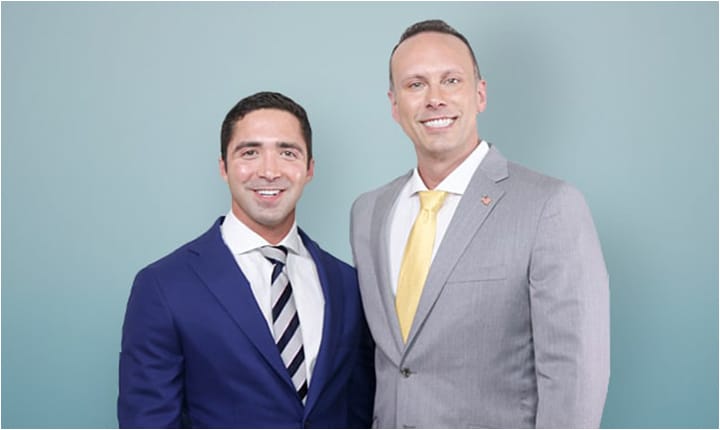
- Attorneys who lead the work. Thomas R. Walser, Esq. and Michael Bracchi, Esq. lead our probate practice, and you work with our attorneys directly.
- A remote-first process. Digital signing, online document sharing, and virtual consultations mean an heir in Ohio or Connecticut can handle everything from home.
- Billing you can follow. We bill hourly and explain the expected deposit before you sign anything.
- Statewide reach. We serve all 67 Florida counties from offices in Boca Raton and Fort Lauderdale.
Each of these is built around the same goal: fewer things on your plate during a hard season. If you’re ready to talk about your parent’s estate, call (954) 710-5500 for a free consultation.
Probate Help Near Deerfield Beach
Our Boca Raton office sits just north of Deerfield Beach, and our Fort Lauderdale office is a short drive south. That puts us close to the families we serve, though most of our work happens online.
Neighboring Communities We Serve
We also serve families in nearby cities such as Pompano Beach, Coconut Creek, Lighthouse Point, and Parkland. Deerfield Beach is one of dozens of cities covered by our Broward County probate services, which reach from the Palm Beach County line south to Hallandale Beach.
Filing in the Seventeenth Judicial Circuit
Deerfield Beach estates are filed with the Seventeenth Judicial Circuit Court of Florida, which handles probate for all of Broward County. Filings go through the statewide electronic portal, which is why a routine estate rarely requires anyone in the family to appear in person.
FAQs Answered by Our Deerfield Beach Probate Attorneys
Most families never need to travel to Florida for a routine Deerfield Beach probate case. Court filings are electronic, documents can be signed digitally or notarized where you live, and consultations happen by phone or video. Original wills and certified death certificates still need to be mailed or delivered to the court.
An out-of-state adult child can serve as personal representative of a Florida estate because Florida allows nonresidents who are related to the decedent by blood, adoption, or marriage within certain categories. Children, grandchildren, siblings, nieces, and nephews generally qualify. A nonresident friend or unrelated person cannot serve.
The cost of a Broward County probate attorney depends on the estate’s complexity, the type of administration, and the time the case requires. Florida doesn’t set a mandatory attorney fee, and fees for the personal representative’s attorney are usually paid from estate assets rather than out of the family’s pocket. We explain our hourly billing and deposit at the free consultation.
A will signed in another state is generally valid in Florida if it was valid where your parent signed it while living there, unless it was handwritten without witnesses or made orally. An out-of-state will that wasn’t self-proved under Florida’s rules may need a witness’s oath or other proof before the Broward County court admits it. We review the will at the start so that step doesn’t stall the case.
Calling a probate attorney within the first few weeks after a death is usually wise, because the original will must be deposited with the clerk within 10 days and condo dues keep accruing. An early call also prevents well-meaning mistakes, such as paying bills from your own account or emptying the unit before an inventory.
Talk to a Deerfield Beach Probate Attorney Today
Your family shouldn’t have to piece together Florida probate from another state. One conversation with our team can tell you which court, which process, and which documents your parent’s estate needs.
Florida Probate Law Firm offers free consultations for Deerfield Beach families wherever they live. Call our Fort Lauderdale office at (954) 710-5500, and we’ll help you take the first step.