
Hialeah Probate Attorneys
Hialeah, FL Probate Process for Residents & Non-Residents
When a parent dies without a will, grief often comes with a second worry: who has the right to the house, and how do brothers and sisters agree on what happens next? Florida Probate Law Firm, PLLC, is a probate-only firm. Our Hialeah probate lawyer helps families settle estates under Florida law, with or without a will. We get the right person appointed, sort out who inherits, and move the home and accounts to the family so the estate doesn’t sit frozen.
Your first conversation with us is free, and our intake team works to connect you with an attorney during that call. Call (954) 710-5500 to talk about your parent’s estate.

What Does a Hialeah Probate Attorney Do When There's No Will?
A Hialeah probate lawyer opens an intestate estate, which is the court process for someone who died without a valid will. Florida’s intestacy statutes then decide who inherits, and the court appoints a personal representative to carry out that distribution.
The law follows a fixed order based on family relationships, not on what relatives believe their parent wanted. This table shows how Florida’s spouse share rules and rules for other heirs apply to common family situations.
| Family Situation at Death | Who Inherits the Intestate Estate |
|---|---|
| Spouse survives, no children or other descendants | The spouse receives everything |
| Spouse survives, all children are also the spouse’s children, and the spouse has no other children | The spouse receives everything |
| Spouse survives, and the decedent had a child from another relationship | The spouse receives half, and the descendants share the other half |
| Spouse survives, and the spouse has children who aren’t the decedent’s | The spouse receives half, and the decedent’s descendants share the other half |
| No spouse, but children survive | The children share equally, with a deceased child’s share passing to that child’s descendants |
| No spouse or descendants | Parents inherit, then brothers and sisters and their descendants |
Homestead property follows its own descent rules, which can differ from this table when there’s a surviving spouse and children. We map the family tree and the assets together at the start because that’s where intestate estates most often go wrong.

What Happens When Several Siblings Inherit the Same House?
When there’s no spouse, the family home usually passes to all the children together, and each sibling ends up with a share. That shared ownership works fine when everyone agrees, and it creates real problems when they don’t.
Families generally choose among these paths for an inherited house:
- Sell the house through the estate and divide the proceeds
- Have one sibling buy out the others’ shares
- Keep the house together and put everyone’s name on the title
- Let one sibling live in the house under a written agreement with the others
Each choice has tax, mortgage, and title consequences that are easier to plan for before the deed changes hands. We explain those trade-offs so your family can make a decision with clear information. When one sibling stays in the house, a written agreement about who pays the mortgage, taxes, and insurance prevents most of the arguments we see later.
In an intestate estate, a personal representative can sell real estate only with court involvement. Under section 733.613, no title passes until the court authorizes or confirms the sale, which is a step buyers and title companies will look for. We prepare that petition alongside the sale so the closing doesn’t stall.
What if a Sibling Won't Cooperate or Can't Be Found?
One uncooperative or missing heir doesn’t have to stop an estate in Florida. The law sets an order for choosing the personal representative and gives the court tools to move forward when a family can’t agree or can’t locate everyone.
When a Sibling Won’t Cooperate
When there’s no will and no surviving spouse, Florida’s appointment rules give priority to the person chosen by a majority in interest of the heirs. That means one sibling usually can’t block the others from opening the estate. The holdout still receives notice and keeps their full share, but the case can move ahead.
When an Heir Can’t Be Located
Every heir is entitled to notice, so the personal representative must make a good-faith effort to locate each one. Old addresses, social media, family contacts, and public records are the usual starting points. When someone truly can’t be found, the court has procedures that let the estate proceed while protecting that person’s share.
Proving Who the Heirs Are
The petition must list every heir, including children from earlier relationships and the descendants of a child who died first. Birth certificates, marriage and divorce records, and death certificates often fill in the gaps. Getting this list right at the beginning prevents a reopened estate later.

Clearing Title on a Home Held for Decades
Many Hialeah homes have been in one family for a generation or more, and the paperwork doesn’t always keep up. Before anything can be sold or refinanced, the public record has to show a clear chain of ownership.
Checking What the Records Show
The first step is confirming exactly how the home is titled. Records at the Miami-Dade Property Appraiser show the owner of record, and the recorded deed shows whether both parents, one parent, or someone else held title. That answer decides which estate, or estates, must be opened.
When an Earlier Death Was Never Probated
Sometimes the deed still lists a parent who died years before the one whose estate you’re settling. In that case, the earlier estate may need to be opened too, so title can pass correctly through each generation. It adds steps, but it’s a familiar problem, and handling both estates together usually saves time.
When a Spouse Survived on a Homestead
If a parent died while married and living in the home, the surviving spouse may have received a life estate with the children holding the rest. When that spouse later dies, the children’s interest typically needs to be confirmed of record before the house can be sold. We review the history of the title so nothing surprises a buyer’s title company at closing.

How Probate Works in Miami-Dade County
Hialeah estates are filed in Miami-Dade County, where the Probate Division of the Eleventh Judicial Circuit Court handles the case in downtown Miami. Filings are electronic, so your family generally won’t need to make the trip downtown for a routine estate.
Here is the path most Hialeah estates follow once we’re involved:
- Deposit the original will, if one exists, with the Miami-Dade Clerk, which must happen within 10 days of learning of the death.
- File the petition for administration and the documents that identify every heir.
- Obtain the court order appointing the personal representative and the letters of administration.
- Publish the notice to creditors and serve the notice of administration on the family.
- Collect and inventory the assets, then review any creditor claims.
- Sell or transfer the home, distribute the estate, and request discharge from the court.
The creditor period alone lasts at least three months after first publication, so formal administration can’t close overnight. Our team handles the estate administration at each step and keeps you informed about what’s coming next.
A Shorter Route for Some Estates
Not every Hialeah estate needs all six steps, because summary administration is available under section 735.201 when the estate is worth $150,000 or less, excluding creditor-exempt property such as a protected homestead, or when the death occurred more than two years ago.
It skips the appointment of a personal representative, so it works well when the heirs agree, and nobody needs ongoing authority to sell property. We’ll tell you at the first meeting whether your family qualifies.
Why Hialeah Families Work With Florida Probate Law Firm
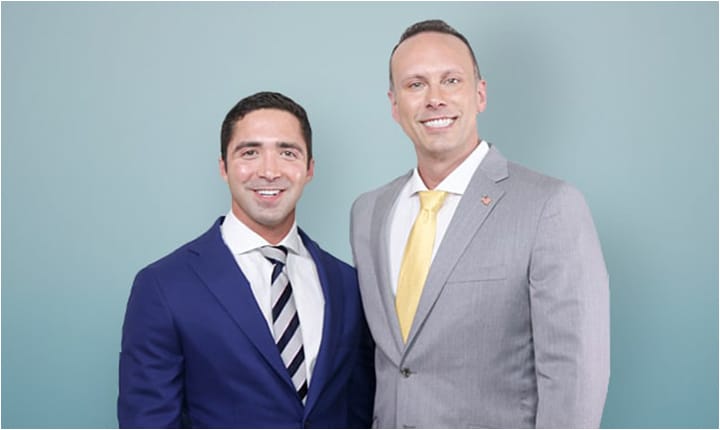
We handle probate and nothing else, which means intestate estates, family homes, and multi-heir cases are routine for us. Our attorneys, Thomas R. Walser, Esq., and Michael Bracchi, Esq., lead the practice, and you’ll work directly with them.
Families choose us for practical reasons:
- Straight answers on the first call. Our intake team works to connect you with an attorney during that call.
- Clear billing. We bill hourly and explain the deposit before you hire us.
- No running downtown. Electronic filing, digital signatures, and video meetings keep the case moving from home.
- Help for relatives far away. Siblings in other states can take part without traveling.
- Statewide coverage. We serve all 67 Florida counties from our Boca Raton and Fort Lauderdale offices.
The consultation is free, and there’s no obligation to hire us afterward. Call (954) 710-5500, and we’ll explain what your family’s estate needs.
Probate Help Across Miami-Dade County
Hialeah is one of many communities covered by our Miami-Dade County probate services. Our Fort Lauderdale office serves families throughout South Florida, and much of our work happens by phone, email, and video.
Communities Near Hialeah
We also work with families in Hialeah Gardens, Miami Lakes, Miami Springs, and Miami. Each estate is filed in the county where the person who died was domiciled, so an estate in any of these cities goes through the same Eleventh Judicial Circuit process.
If your parent lived in Hialeah but also owned a condo or lot in Broward or Palm Beach County, that Florida property is generally handled within the same Miami-Dade estate rather than in a separate case.
When Family Members Live Elsewhere
Relatives often live in other parts of Florida, other states, or other countries. A close relative who lives outside Florida can generally still serve as personal representative, and heirs anywhere can sign the documents they need without coming to Miami-Dade County.
FAQs Answered by Our Hialeah Probate Lawyers
A surviving spouse, or the children if there’s no spouse, can usually claim up to two of a Florida resident’s regularly used vehicles as exempt property. Exempt property is protected from most creditors, though a lender with a lien on the car keeps its rights. Transferring the title still requires the proper court paperwork, which we prepare as part of the estate administration.
A stepchild who was never legally adopted generally doesn’t inherit from a stepparent under Florida’s intestacy laws. Adoption changes that result, because an adopted stepchild is treated the same as a biological child. Stepchildren can still receive property through a will, a trust, or a beneficiary designation.
A family member who lives in the home can usually stay there while probate is open, especially if they’re an heir. Florida law lets a personal representative leave real property with the person presumptively entitled to it unless the estate needs possession to administer it. The household should still keep the home insured and pay its expenses.
Heirs can agree to divide a Florida estate differently from the intestacy rules by signing a written agreement among themselves. The personal representative must follow that agreement, subject to the rights of creditors and anyone who didn’t sign it. Disclaimers are another option when an heir wants their share to pass to someone else.
A Hialeah house owned by a married couple as tenants by the entirety passes automatically to the surviving spouse, so no probate is needed at the first death. When the surviving parent later dies owning the house alone, the home generally does need probate before the children can sell or transfer it. Recording the first spouse’s death certificate keeps the title record clean in the meantime.
Talk With a Hialeah Probate Lawyer
An estate without a will doesn’t have to become a family standoff. With the right process and clear guidance, most families settle these estates and keep their relationships intact.
Florida Probate Law Firm offers free consultations to Hialeah families. Call our Fort Lauderdale office at (954) 710-5500 to speak with an attorney about your parent’s estate.