
South Miami Probate Attorneys
South Miami, FL Probate Process for Residents & Non-Residents
A parent’s estate shouldn’t become one more thing you have to figure out alone. A South Miami probate lawyer from Florida Probate Law Firm, PLLC, guides families through formal administration in Miami-Dade County, the full court-supervised process many estates need.
Our probate-only firm opens the case, carries out the court’s requirements, and keeps every beneficiary informed until the estate closes. Consultations are free, and we aim to connect you with an attorney during your first call. Call (954) 710-5500 to talk with a South Miami probate attorney about your family’s estate.

When Does a South Miami Estate Need Formal Administration?
An estate generally needs formal administration when its probate assets are worth more than Florida’s limit for the shorter summary process, or when someone needs ongoing legal authority to manage the estate. Our attorneys review the assets and the family’s goals, then recommend the path that best fits.
Under section 735.201, summary administration is available only when the probate estate, minus creditor-exempt property, is $150,000 or less, or when the death was more than two years ago. A second home or rental property, an investment account, or a few retirement accounts payable to the estate can push an estate over that line.
Other Reasons We Recommend Formal Administration
Even a smaller estate may be better served by the formal process. That’s often true when property has to be sold, when someone must collect money owed to the estate, or when the family wants the protection of a personal representative with clear court authority. We’ll explain the tradeoffs before you decide.

How Our South Miami Probate Lawyers Handle Formal Administration
We take the estate from the first filing to the final court order, and you’ll know at each phase what we’re doing and why. Our estate administration work follows the same structure for every family, adjusted to the assets and people involved.
Opening the Estate in Miami-Dade
We prepare the petition for administration, file the will if there is one, and ask the Eleventh Judicial Circuit to appoint the personal representative. When letters of administration issue, the estate has a legal voice, and we start using it.
Taking Charge of the Assets
With letters in hand, we identify and secure every probate asset, from bank and brokerage accounts to real estate and vehicles. We open an estate account so funds stay separate and traceable, and we prepare the inventory the court and beneficiaries need.
Real Estate While the Estate Is Open
A South Miami house or condo often sits empty while the estate is pending, and it still needs insurance, upkeep, and attention to association and tax notices. We help the personal representative protect the property and, when a sale makes sense, obtain the authority to sell and coordinate the closing so proceeds flow into the estate account.
Notices and Waiting Periods
Formal administration includes required notices to beneficiaries and a published notice to creditors, followed by waiting periods set by Florida law. We prepare and serve each notice, calendar every deadline, and keep the estate moving while those periods run.
Distribution, Closing, and Discharge
When the estate is ready, we prepare the final accounting or the beneficiaries’ waivers, distribute the assets under the will or Florida law, and ask the court to discharge the personal representative. Discharge formally ends the personal representative’s responsibility for the estate.
How Will We Keep Beneficiaries Informed?
We keep beneficiaries informed at every major phase, because formal administration takes longer than the summary process and silence is what makes families anxious. Our attorneys build communication into the case, so the personal representative isn’t stuck answering the same questions from every sibling.
What beneficiaries can expect when we handle the estate:
- Updates at each major phase, not only at the end
- Copies of key filings and the inventory when they’re entitled to them
- Plain-language answers to questions about timing and shares
- A clear accounting, or a waiver to sign, before the estate closes
Clear updates help prevent misunderstandings that can slow an estate down. They also give the personal representative a record showing everyone was kept informed.
Partial Distributions
Some estates can make partial distributions before closing once enough has been set aside for expenses and remaining obligations. We’ll tell you whether that’s appropriate for your family’s estate and handle the paperwork if it is.

Can Heirs Who Live Abroad Take Part in a Miami-Dade Estate?
Heirs who live outside the United States can generally inherit from a Florida estate and take part in the case without traveling here. Our attorneys coordinate the documents they need to sign and explain each step in plain terms, wherever they live.
Paperwork Signed Outside the Country
Documents signed abroad may need to be notarized or authenticated in a form Florida courts accept, and that step takes planning. We tell international heirs exactly what’s required before they sign, and our guide to Florida probate for foreign nationals covers common questions families raise. Getting it right the first time keeps the estate from stalling while papers travel back and forth.
Will You Need to Go to the Miami-Dade Courthouse?
Most families never need to appear in court during an uncontested formal administration. Filings in Miami-Dade are made electronically, and our attorneys handle any hearing the court does schedule, preparing you in advance if your attendance is needed.
Signing and Meeting From Anywhere
Personal representatives and beneficiaries often live in different cities, or even different states. Digital signing, online portals, and virtual consultations let everyone take part from home, and we schedule calls around your work and family.
Why South Miami Families Choose Florida Probate Law Firm
Florida probate is the only kind of law we practice, so formal administration in Miami-Dade is familiar ground for our attorneys. Thomas R. Walser, Esq. and Michael Bracchi, Esq. lead our firm, and you’ll work with our attorneys directly rather than through a chain of assistants.
Here is how we approach every South Miami estate:
- Quick attorney contact. We aim to connect you with an attorney during your first call.
- No-cost first consultation. You’ll learn which type of administration fits before you commit.
- Remote-ready service. Digital signing and virtual meetings keep the case moving wherever you are.
- Transparent billing. We bill hourly and discuss the deposit with you up front.
- Coverage across Florida. We serve all 67 counties from offices in Boca Raton and Fort Lauderdale.
Formal administration has many moving parts, and you don’t have to manage them yourself. Call (954) 710-5500 to schedule a free consultation with our South Miami probate lawyers.
Serving South Miami and Southern Miami-Dade
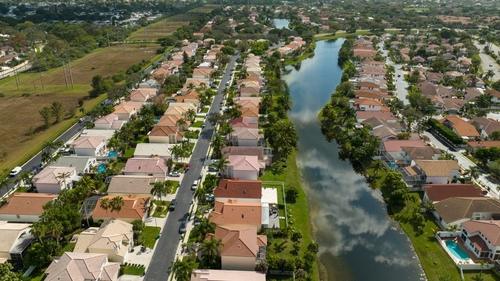
South Miami estates are filed with the Eleventh Judicial Circuit, whose Probate Division sits at the Osvaldo N. Soto Miami-Dade Justice Center. Because filings are electronic, families in South Miami can work with our firm without visiting either the courthouse or our offices.
Neighboring Communities
South Miami is one of the cities included in our Miami-Dade County probate services. We also help families in nearby Coral Gables, Pinecrest, and Kendall, and estates from each follow the same Eleventh Circuit procedures.
FAQs Answered by Our South Miami Probate Lawyer
Florida Probate Law Firm bills hourly for probate work, and the deposit depends on the estate and the county involved. We explain our billing during your free consultation, before you sign an agreement.
A Florida probate firm based in Broward County can handle an estate filed in Miami-Dade, because Florida probate attorneys may practice in every county in the state. Florida Probate Law Firm serves all 67 counties and files electronically with the Eleventh Judicial Circuit. Your location and ours don’t limit the case.
A Miami-Dade probate court may require a personal representative to post a bond, depending on the estate and what the will says. When a will waives bond, the court considers that request, but the judge still has discretion. We address bond in the petition and arrange it if the court requires one.
Formal administration in Miami-Dade usually takes longer than summary administration, because Florida law builds in notice and waiting periods before an estate can close. The length depends on the assets, the family, and the court’s schedule. We give you a realistic estimate after reviewing the estate at your first meeting.
Beneficiaries in a Florida formal administration don’t all have to agree on every decision, but they’re entitled to information and can object to the final accounting. Many beneficiaries sign waivers that let the estate close sooner. We prepare those documents and explain them so everyone understands what they’re signing.
Talk With a South Miami Probate Lawyer About Your Family's Estate
Formal administration asks a lot of a family that’s already grieving. Our attorneys can open the estate, meet each requirement, and keep the beneficiaries informed until the court closes the case.
Every estate is different, and outcomes depend on its facts. Call Florida Probate Law Firm at (954) 710-5500 or schedule a consultation online to speak with a South Miami probate attorney at no cost.